Advantages
Why facade-integrated solar outperforms bolt-on thinking.
Vertical surfaces are the largest untapped area on most buildings. When solar is engineered into the facade from the start, energy generation, weather protection, and architectural character stop competing and start reinforcing one another.
Architecture-First Integration
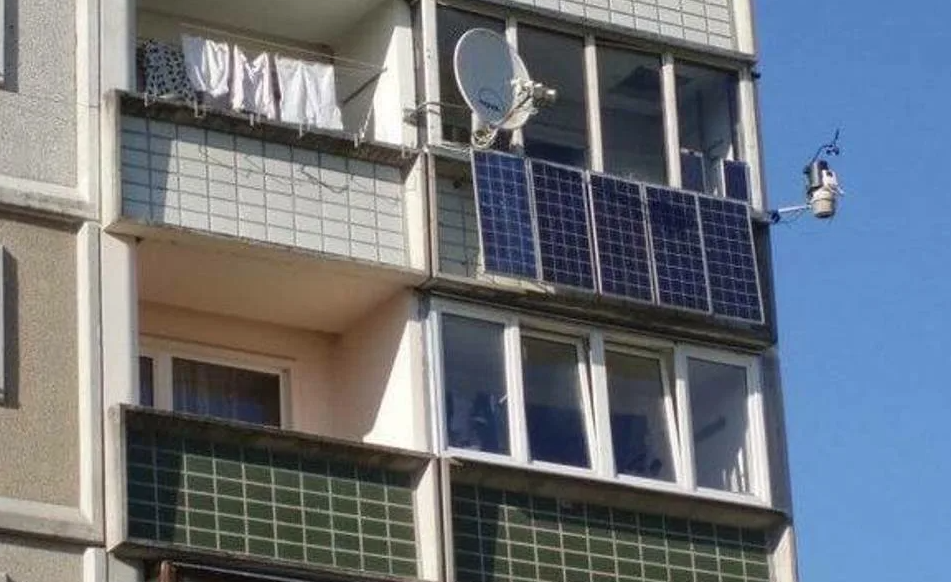
Facade solar should look like part of the building, not equipment attached to it. We treat photovoltaic modules as a cladding material with its own rhythm, proportion, and finish, coordinating cell layout, framing lines, and reveal depths with the wider design intent. Panels are sized and positioned to align with window openings, floor slabs, and structural bays, so the completed elevation reads as a coherent composition. This architecture-first approach means owners no longer choose between generating power and preserving a refined exterior; both goals are resolved inside the same detailed envelope, giving the building a deliberate, contemporary presence.
Yield From Underused Surfaces
Roofs are finite, often cluttered, and frequently shaded by neighbouring structures, but facades offer vast vertical area that usually generates nothing. By activating south, east, and west elevations, a building can capture morning and evening sun that flat roof arrays miss, flattening the daily production curve and better matching real occupancy patterns. Vertical placement also sheds snow, resists soiling, and performs well in cooler seasons when low winter sun strikes walls directly. For dense urban sites where roof space is scarce, facade integration unlocks meaningful output that would otherwise be left entirely unused across the height of the structure.
Building-Grade Durability
A facade is a protective barrier before it is anything else, so our integrated modules are engineered to the same expectations as premium cladding. Weather-sealed junctions, robust framing, tempered glass surfaces, and considered drainage keep the envelope watertight and resilient through wind, rain, frost, and thermal cycling. Because the solar layer doubles as rainscreen and shading, it contributes to the building's insulation and comfort while it produces electricity. This dual function reduces redundant materials and gives the whole assembly a longer, more predictable service life, protecting the interior and the investment at the same time across many years of exposure.
Compliance and Documentation
Integrating energy systems into a facade touches structural, electrical, fire, and planning considerations, and we navigate these deliberately rather than leaving owners to guess. Our concepts are prepared with French building norms, grid-connection requirements, and local approval processes in mind, and each proposal arrives with clear documentation of loads, fixings, and electrical routing. By anticipating inspection expectations early, we reduce the friction that often delays innovative facades, giving developers and architects a smoother path from design intent to a signed-off, insurable, and lawfully connected installation that stands up to scrutiny long after the scaffolding is removed.
Lower Lifetime Cost
When a single facade layer delivers weatherproofing, shading, and electricity, the economics shift in the owner's favour. The cost of the cladding that a building needs anyway is partly offset by decades of on-site generation, trimming energy bills and softening exposure to volatile tariffs. Vertical arrays run cooler than rooftop equivalents, which supports steady efficiency, and their self-cleaning orientation keeps maintenance modest. Over a twenty to thirty year horizon, the combination of avoided material duplication, reduced purchased power, and durable, low-attention hardware makes an integrated facade one of the more rational long-term decisions a building team can make today.
Aesthetic Freedom
Integrated solar is no longer limited to shiny blue rectangles. Modern modules can be produced in matte finishes, custom colours, textured glass, and varied transparency, allowing designers to specify a facade that expresses the building's identity while still generating power. Cell spacing can be tuned to create pattern and depth, and semi-transparent glazing can filter daylight into atriums and stairwells. This breadth of options means heritage-sensitive streets, corporate headquarters, and residential developments can each adopt facade solar on their own visual terms, proving that renewable performance and distinctive architectural character can share exactly the same surface.